
Blood cancer


Blood cancer
Blood cancers, also known as haematologic cancers, are Australia’s second-most diagnosed cancer, and the third-biggest cause of cancer deaths.
In 2021, more than 18,000 Australians were diagnosed with blood cancers, and more than 5,000 died. Despite major improvements in life expectancy, the incidence of blood cancers has risen 40 per cent over the past decade. The exact causes are unknown, although there can be risk factors.
What is blood cancer?

What causes blood cancers?
Types of blood cancers
What are the risk factors for blood cancers?
Diagnosis of blood cancers
Treatments for blood cancers
Our blood cancer research
Blood cancers are frequently treated with chemotherapy, a powerful drug that kills rapidly dividing cells, such as cancer cells. Unfortunately, chemotherapy also kills normal dividing cells, such as hair follicles and intestinal cells, causing unpleasant and potentially life-threatening side effects. While chemotherapy frequently induces blood cancer remission, many patients will ultimately relapse with treatment resistant disease. At that stage, a bone marrow transplant is often the only chance of a cure.
There is a desperate need for improved treatments for blood cancers, with reduced side effects and more potent and longer lasting anti-cancer effect. Hudson Institute researchers are investigating the critical genetic processes and biological pathways that underpin blood cancer development and therapy evasion. This work will pave the way for the discovery of better treatment options for patients.
Blood cancer research projects underway
Targeting a critical new player in acute myeloid leukaemia (AML)

Dr Catherine Carmichael’s team have identified a potential new therapeutic target in acute myeloid leukaemia (AML). The SNAI1 protein is significantly elevated in more than 50 per cent of all AML patients studied and plays a critical role in regulating leukaemia. The team discovered that blocking SNAI1 activity in pre-clinicals models impaired leukaemia development and improved survival, demonstrating the potential for SNAI1 as a new AML drug target. Dr Carmichael and her collaborators, including Dr Jessica Holien, are now investigating new ways to chemically inhibit SNAI1 function, with the aim of developing drug compounds.
Targeting Inflammation to halt disease progression in Myelodysplastic Syndromes (MDS)
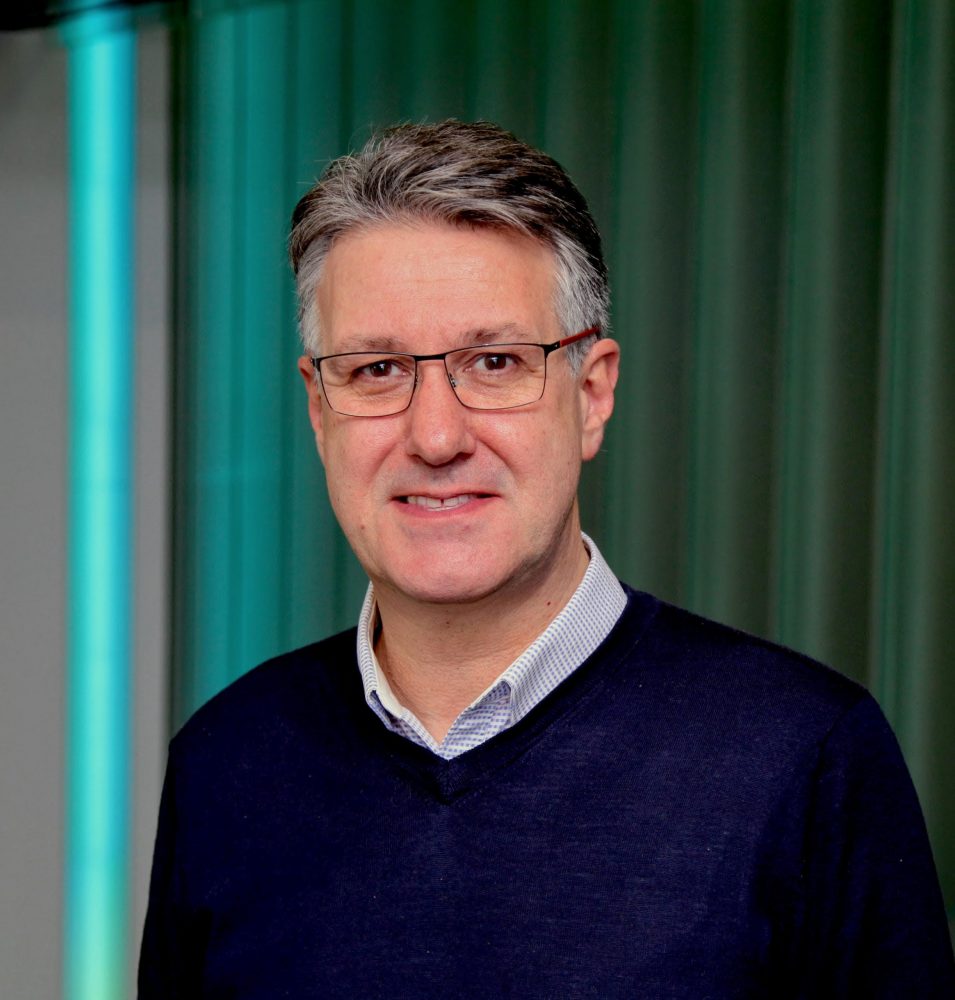
Identifying inflammatory biomarkers in Multiple Myeloma (MM)
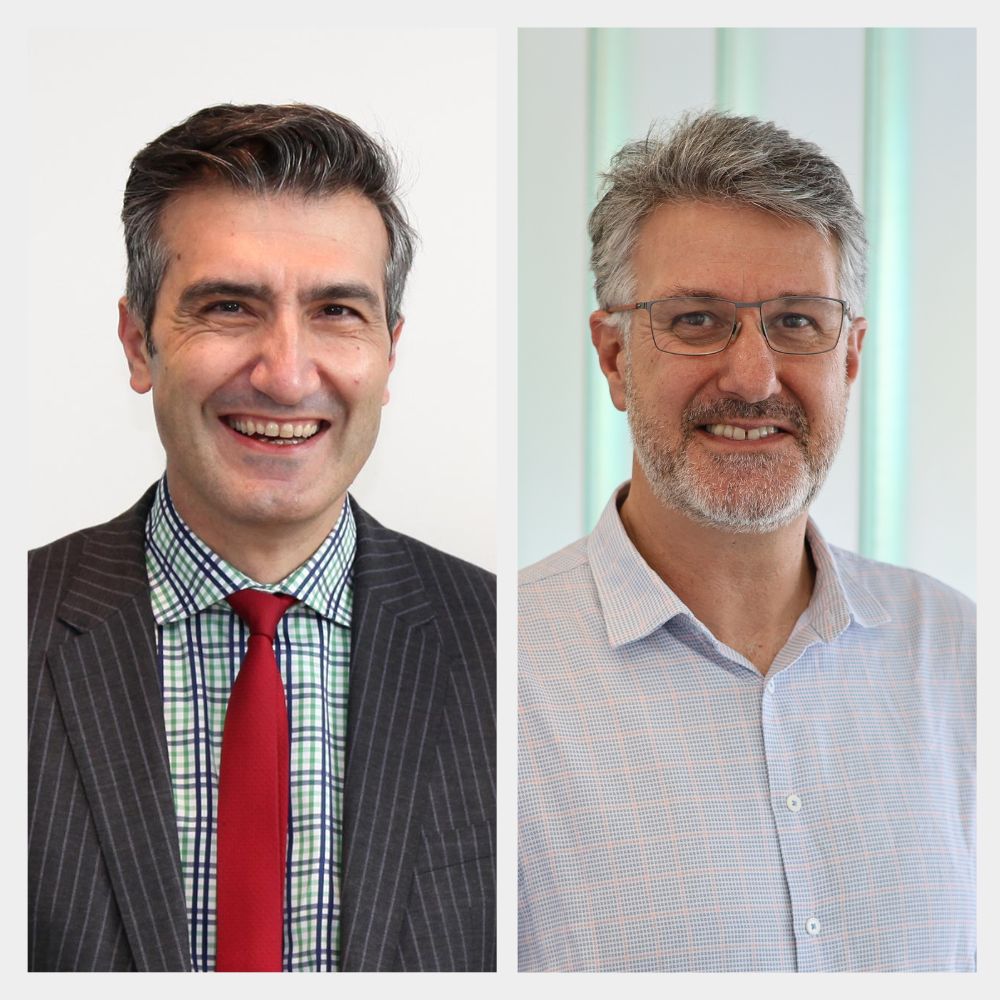
Defining the mechanisms that drive thalassaemia and sickle cell disease
Targeting the NIK pathway to treat blood cancers

Identifying new drug targets in acute erythroid leukaemia (AEL)
Next Generation PDT programme developing new non-invasive cancer treatments

Blood cancer collaborators
Monash University, Burnet Institute, RMIT University, Monash Health, Walter and Eliza Hall Institute
Support for people with blood cancer
Hudson Institute scientists cannot provide medical advice.
If you would like to find out more information about blood cancer, please visit
Blood cancer news
Keep up-to-date with our latest discoveries

